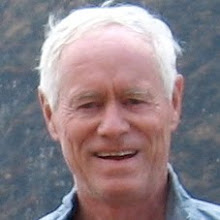
Fijians are avid rugby players. Their national team is doing well in the world cup. The cup is being played in France and the games are broadcast live at 1 AM and 7 AM in most hotels and even local bars.
In Musket Cove, we watched several of the matches because the other teams that are doing well are New Zealand, Australia, England and South Africa – the same population profile of the yachties.
Here in Denerau, the broadcasts are shown at the local hotels and a blackboard in the lobby announces the next few days of matches. We watch for the South African Springbocks and enjoy cheering them on.
Sunday, September 30, 2007

Saturday, September 29, 2007
Day 205 Bula culture
The word bula is a Fijian word that the Lonely Planet Guide translates as meaning hello. For Fijians, the word appears to mean a lot more than that. Fijians have a reputation for friendliness. When you pass a Fijian walking down the street they look up, smile and often utter an almost explosive BULA which would seem to mean “Hello, how are you, welcome to my paradise and have a great day”. (Try saying it with a lot of force while smiling broadly. You will see the effect). I suspect this is one source of their reputation as it definitely exudes a friendliness that is unique. We saw the smiling greeting in Rarotonga but the Bula adds an additional emphasis.
The Indo-Fijians are a bit more reserved. Since they speak English and not Fijian, they simply say hello. That is good enough but they also lack the broad open smile that is characteristic of Fijians and Polynesians.
The Lonely Planet Guide says that Fiji is one of the most popular tourist destinations in the South Pacific. I cannot remember Fiji being on the top of people’s list in the U.S. and the percent of U.S. tourists seems to be a small minority. Lonely Planet is published in Australia so that may explain their perspective.
The Indo-Fijians are a bit more reserved. Since they speak English and not Fijian, they simply say hello. That is good enough but they also lack the broad open smile that is characteristic of Fijians and Polynesians.
The Lonely Planet Guide says that Fiji is one of the most popular tourist destinations in the South Pacific. I cannot remember Fiji being on the top of people’s list in the U.S. and the percent of U.S. tourists seems to be a small minority. Lonely Planet is published in Australia so that may explain their perspective.
Friday, September 28, 2007
Day 204 Nadi again
The Southern Star gang went to Nadi with Dave and Malanie of Talerra to for groceries and a few boat items. We went to the open-air market and to the conventional supermarket and were able to find most things we wanted. Shopping in the U.S. and Europe really spoils one. There is so much variety and so much range of ethnic foods that you become used to the ease with which you can find anything. The markets in Nadi are not bad and once you become used to the unfamiliar brand names or packaging it gets easier. There is definitely a bias toward Australia/New Zealand tastes and products and Indian foods are everywhere. In the open-air markets, the focus is on locally grown which means more root vegetables than greens. Taro, breadfruit and mango are abundant and it is possible to find tomatoes, lettuce, carrots, cabbage, potatoes and delicious pumpkins. These latter vegetables are green and not orange. We discovered pumpkins in Suva when Mark and I wandered past a vendor and got talked into buying one. From then on, they became an essential ingredient in Mark’s curry.
Our predilection for Mexican food goes largely unsatisfied. I have tried to make tortillas and the result is edible and utilitarian (we can make a serviceable taco) but they come out a bit leathery and not soft and supple like the real thing. They were better when I had “tortilla flour” that we bought in Mexico but I should be able manage with all-purpose flour as well. Maybe it is the temperature of the pan? I will keep trying.
The contrast between Nadi and Denerau was more apparent on this visit. Nadi is the native town and most is old and crowded. Some parts are a bit run down and shabby. Denerau is the new upscale development for foreigners who have a lot of money in local terms. The houses are upper middle class by U.S. standards with air conditioning, landscaping and their own dock. Because the two are separated by several miles there is no demarcation line, rather, they seem like two different worlds.
Our predilection for Mexican food goes largely unsatisfied. I have tried to make tortillas and the result is edible and utilitarian (we can make a serviceable taco) but they come out a bit leathery and not soft and supple like the real thing. They were better when I had “tortilla flour” that we bought in Mexico but I should be able manage with all-purpose flour as well. Maybe it is the temperature of the pan? I will keep trying.
The contrast between Nadi and Denerau was more apparent on this visit. Nadi is the native town and most is old and crowded. Some parts are a bit run down and shabby. Denerau is the new upscale development for foreigners who have a lot of money in local terms. The houses are upper middle class by U.S. standards with air conditioning, landscaping and their own dock. Because the two are separated by several miles there is no demarcation line, rather, they seem like two different worlds.
Thursday, September 27, 2007
Day 203 Windlass repaired
The windlass came back today and Mark and Andy put it back into place and for the first time in about 30 days, we have a trustworthy mechanical way of lowering and raising the anchor. With a reliable windlass, we can move to the marina dock where we can stern tie Southern Star and have access to power and water.
Mark asks me if I wanted to drive (since there was plenty of room on the dock and not much chance of hitting another boat) and I gladly agree. He gives me instructions in advance for changing the position of the boat as the wind swings it so that it gets to the intended place. Southern Star is heavy and has a “barn door” rudder and is not as quick to respond as the little racing machines with their spade rudders. Also, because the prop is rotating in one direction, the stern tends to move to port (to the left) when backing up with the wheel in the center position. As a result steering the stern the way I used to steer my outboard does not work with the same precision.
The good news is that everything goes according to plan and I am pleased that I am able to bring the Star to its intended position on the dock.
With the windlass repaired we can think about a few side trips if we want while we wait for the right weather to venture south. Also, being on the dock allows us to come and go more easily as we do not need dinghy access.
The Santa Barbara yacht Windekind is next to us with our young friends Eric and Will so we know this will mean movies, card games and night -time entertainment for the younger set. Apparently, the surf must be down or Windekind would not be at the marina
Mark asks me if I wanted to drive (since there was plenty of room on the dock and not much chance of hitting another boat) and I gladly agree. He gives me instructions in advance for changing the position of the boat as the wind swings it so that it gets to the intended place. Southern Star is heavy and has a “barn door” rudder and is not as quick to respond as the little racing machines with their spade rudders. Also, because the prop is rotating in one direction, the stern tends to move to port (to the left) when backing up with the wheel in the center position. As a result steering the stern the way I used to steer my outboard does not work with the same precision.
The good news is that everything goes according to plan and I am pleased that I am able to bring the Star to its intended position on the dock.
With the windlass repaired we can think about a few side trips if we want while we wait for the right weather to venture south. Also, being on the dock allows us to come and go more easily as we do not need dinghy access.
The Santa Barbara yacht Windekind is next to us with our young friends Eric and Will so we know this will mean movies, card games and night -time entertainment for the younger set. Apparently, the surf must be down or Windekind would not be at the marina
Wednesday, September 26, 2007
Day 202 Nadi
Although there is quite a bit of shopping at Denerau, the city of Nadi (pronounced nahn’ di) is only 6 miles away (a $US6 taxi ride) and prices and selection are supposed to be better.
I share a ride with the crew from Moonraker, which is anchored outside the harbor. I want to spend the day shopping for some mundane things like some insoles for my running shoes and a set of headphones for my computer to replace the ones stolen in Samoa. (The headphones I need are the type used to talk on Skype)
My first stop is the famous Sri Siva Subramaniya Swami temple that is one of the largest Hindu temples in the South pacific and their “annual festivals attract devotees from around the world” according to the Lonely Planet Guide.
The temple is dedicated to the various forms of Lord Siva and is quite intricate and very well maintained. A guide greets me and instructs me to remove my shoes and not to take pictures inside, but he adds that by standing outside near the open structure, I can take all the pictures I want. You will see the results in the picture album that accompanies this blog.
For the rest of the day, I wander down the main street and into many of the shops. The shopkeepers are all Indo-Fijian and are friendly but a bit more assertive than the native Fijians. It is easy to say no but there is definitely a sales pitch the moment you enter a store.
One exception to this is the open-air produce market where many of the sellers are native Fijian. I have a good time asking the vendors to smile so I can take their picture and I think I will have some great shots.
I finally find what I am looking for and am glad I made the trip. The insoles were $F16 in Denerau and are $F6 in Nadi a saving of the same six U.S. dollars I spent on the taxi ride.
I share a ride with the crew from Moonraker, which is anchored outside the harbor. I want to spend the day shopping for some mundane things like some insoles for my running shoes and a set of headphones for my computer to replace the ones stolen in Samoa. (The headphones I need are the type used to talk on Skype)
My first stop is the famous Sri Siva Subramaniya Swami temple that is one of the largest Hindu temples in the South pacific and their “annual festivals attract devotees from around the world” according to the Lonely Planet Guide.
The temple is dedicated to the various forms of Lord Siva and is quite intricate and very well maintained. A guide greets me and instructs me to remove my shoes and not to take pictures inside, but he adds that by standing outside near the open structure, I can take all the pictures I want. You will see the results in the picture album that accompanies this blog.
For the rest of the day, I wander down the main street and into many of the shops. The shopkeepers are all Indo-Fijian and are friendly but a bit more assertive than the native Fijians. It is easy to say no but there is definitely a sales pitch the moment you enter a store.
One exception to this is the open-air produce market where many of the sellers are native Fijian. I have a good time asking the vendors to smile so I can take their picture and I think I will have some great shots.
I finally find what I am looking for and am glad I made the trip. The insoles were $F16 in Denerau and are $F6 in Nadi a saving of the same six U.S. dollars I spent on the taxi ride.
Tuesday, September 25, 2007
Day 201 Windlass
We located a service in Latoka that can repair our windlass and will come and pick it up.
Mark and Andy spend several hours removing the windlass, which is a heavy-duty motor attached to a winch whose surface is a ridged spool that grips the chain. Only four bolts hold it into place but the electrical contacts need to be disconnected and the chain fed through the gate. We have 200 feet of chain so this forms a big pile on the deck. In addition, the winch body is sealed to the deck so removing it requires breaking the seal – a feat that ends up taking a large hammer to accomplish.
The rest of the day is spent watching the current rugby world cup (South Africa and New Zealand are among the favorites) and learning more about the weather on the Internet.
Mark and Andy spend several hours removing the windlass, which is a heavy-duty motor attached to a winch whose surface is a ridged spool that grips the chain. Only four bolts hold it into place but the electrical contacts need to be disconnected and the chain fed through the gate. We have 200 feet of chain so this forms a big pile on the deck. In addition, the winch body is sealed to the deck so removing it requires breaking the seal – a feat that ends up taking a large hammer to accomplish.
The rest of the day is spent watching the current rugby world cup (South Africa and New Zealand are among the favorites) and learning more about the weather on the Internet.
Monday, September 24, 2007
Day 200 Meteorology
We are anchored in the shallow harbor and not on the marina wall. We decided to anchor in the harbor because the windlass has now completely quit working and we have to lower and raise the chain by hand – not an easy chore. We did replace the heavy steel anchor with a lighter weight aluminum one but the chain itself is very heavy and pulling it up from the bottom is quite an effort.
We can easily get to shore in the dingy and from there can catch a free shuttle to any of the hotels. Near the Sheraton is an upscale coffee shop that has free WiFi and “Starbucks quality” coffees at almost Starbucks prices.
We spent a good part of the day in the Internet looking at weather charts with Dave from Talerra. The weather in this part of the Pacific originates at the equator and at the South Polar latitudes. These two systems collide at about 30º North Latitude. Cold air systems originate from the cold South and hot, moist air from the tropics. The cold air heads North and the warm air goes South but the spinning of the Earth biases them eastward across the Pacific. This causes periodic fronts that contain unstable air i.e. storms that could be violent. The yachting journals are filled with accounts of sailboats heading south to New Zealand and being damaged or lost in these storms. We want to avoid that!
Conventional wisdom has it that when the leading (or Eastern) edge of a high-pressure system reaches the West cost of Australia, it is time to head south. Since the magic 30º south latitude is about 4 to five days away from Fiji, by the time we reach 30º, the leading edge of the high should have passed and we will avoid any violent collision of weather systems. This would mean clear sailing to the 30º mark followed by favorable winds for the remainder of the trip to NZ.
One of the fascinating tools used to forecast the weather is a publication from NOAA called the GRIB files. NOAA is the National Oceanic and Atmospheric Administration and is part of the U.S. Department of Commerce. GRIB is a grid based computer algorithm that predicts future weather patterns around the globe for 10 days in advance. No human intervention is used in this prediction. In other words, no weatherman looks at the data and tries to guess. The whole system is automatic and probably runs on a Cray supercomputer. Access to the files is on a subscription basis and so far as I know anyone in the world can subscribe.
The amazing thing is that all the yachting sources say that the GRIBs are “eerily” accurate. My questions are who the heck developed the algorithm and who paid for it? The Department of Defense perhaps?
The bottom line is that knowing how to sail a boat may be one thing and knowing how not to sink the boat may be another thing entirely.
We can easily get to shore in the dingy and from there can catch a free shuttle to any of the hotels. Near the Sheraton is an upscale coffee shop that has free WiFi and “Starbucks quality” coffees at almost Starbucks prices.
We spent a good part of the day in the Internet looking at weather charts with Dave from Talerra. The weather in this part of the Pacific originates at the equator and at the South Polar latitudes. These two systems collide at about 30º North Latitude. Cold air systems originate from the cold South and hot, moist air from the tropics. The cold air heads North and the warm air goes South but the spinning of the Earth biases them eastward across the Pacific. This causes periodic fronts that contain unstable air i.e. storms that could be violent. The yachting journals are filled with accounts of sailboats heading south to New Zealand and being damaged or lost in these storms. We want to avoid that!
Conventional wisdom has it that when the leading (or Eastern) edge of a high-pressure system reaches the West cost of Australia, it is time to head south. Since the magic 30º south latitude is about 4 to five days away from Fiji, by the time we reach 30º, the leading edge of the high should have passed and we will avoid any violent collision of weather systems. This would mean clear sailing to the 30º mark followed by favorable winds for the remainder of the trip to NZ.
One of the fascinating tools used to forecast the weather is a publication from NOAA called the GRIB files. NOAA is the National Oceanic and Atmospheric Administration and is part of the U.S. Department of Commerce. GRIB is a grid based computer algorithm that predicts future weather patterns around the globe for 10 days in advance. No human intervention is used in this prediction. In other words, no weatherman looks at the data and tries to guess. The whole system is automatic and probably runs on a Cray supercomputer. Access to the files is on a subscription basis and so far as I know anyone in the world can subscribe.
The amazing thing is that all the yachting sources say that the GRIBs are “eerily” accurate. My questions are who the heck developed the algorithm and who paid for it? The Department of Defense perhaps?
The bottom line is that knowing how to sail a boat may be one thing and knowing how not to sink the boat may be another thing entirely.
Sunday, September 23, 2007
Day 199 Denerau Island
By mid-morning, we were on our way to Denerau Island. Denerau is hardly an island being separated from the “mainland” of Viti Levu by the Nadi River, which is spanned by a short bridge. Fifteen years ago when the Fiji Cruising Guide was written, Denerau was mostly a mangrove swamp but was beginning to be developed as a destination resort base for upscale hotel complexes, timeshares and private homes mostly for vacationers from Australia and New Zealand. Today there are extensive facilities including a Hilton, Sheraton, Westin, Radison and others. The private homes are built on a canal such that each has a small dock attached. They look quite high class and very much like the kind of communities you might see in Florida.
The island is replete with a plethora of recreational options including a golf course ($US 100 per round), diving, snorkeling, skydiving, fishing, etc, etc. In other words, almost anything involving the ocean that you would find at the finest resorts anywhere. The only things missing – but now being built – are fancy shops, restaurants and nightclubs. There are some already completed but not to the extent one would find in US, Caribbean or European resorts.
Like the Society Islands of French Polynesia, Fiji in Melanesia has discovered tourism as an industry. Right now they cater mostly to an Australia/New Zealand audience because of airfare and the length of the trip but at some point they will discover the “package deal” and North America/ Europe marketing and the place will take off.
One additional draw to this area is the easy access to the “outer” islands of the Mananucas and Yasawas – both reputed to be very beautiful with white sand beaches and great diving and snorkeling. These are easily reached by daily ferries from Denerau and from watching the number of people who board these boats every day, it would seem they are also successful in drawing the tourists.
The only down side is the negative press about the politics of Fiji. The coup has chased away 20 to 25% of the tourists even though I have not found anyone who has seen any effect “on the ground”. Again, marketing – in this case negative – has had a strong effect on the tourist economy.
The island is replete with a plethora of recreational options including a golf course ($US 100 per round), diving, snorkeling, skydiving, fishing, etc, etc. In other words, almost anything involving the ocean that you would find at the finest resorts anywhere. The only things missing – but now being built – are fancy shops, restaurants and nightclubs. There are some already completed but not to the extent one would find in US, Caribbean or European resorts.
Like the Society Islands of French Polynesia, Fiji in Melanesia has discovered tourism as an industry. Right now they cater mostly to an Australia/New Zealand audience because of airfare and the length of the trip but at some point they will discover the “package deal” and North America/ Europe marketing and the place will take off.
One additional draw to this area is the easy access to the “outer” islands of the Mananucas and Yasawas – both reputed to be very beautiful with white sand beaches and great diving and snorkeling. These are easily reached by daily ferries from Denerau and from watching the number of people who board these boats every day, it would seem they are also successful in drawing the tourists.
The only down side is the negative press about the politics of Fiji. The coup has chased away 20 to 25% of the tourists even though I have not found anyone who has seen any effect “on the ground”. Again, marketing – in this case negative – has had a strong effect on the tourist economy.
Saturday, September 22, 2007
Day 198 Planning
With most of the boats gone from Musket Cove, it is now possible to get on the Internet and post the blog pages I have been writing for the past weeks so you will see Days 180 to 197 now filled in.
In the February 17 page of my blog I talked about saying goodby to little Chorna our faithful Lhasa Apso of 17 years. I said at the time I did not expect to see her again and indeed several weeks later I learned that she had died peacefully. I mention this now because last night I dreamed about her as she was in her prime. Thus, her memory continues to live at its best. Hooray for Chorna.
We are now in the mode of planning for the passage that could be our toughest as the weather heading south could be quite difficult. We download the weather files every day and are thinking of various strategies for the passage. Probably we will head southwest until we run out of the tradewinds at about 20 degrees south latitude and then hope to ride the back of an eastward passing low pressure to make our way back southeast to Opua in New Zealand. Stay tuned.
In the February 17 page of my blog I talked about saying goodby to little Chorna our faithful Lhasa Apso of 17 years. I said at the time I did not expect to see her again and indeed several weeks later I learned that she had died peacefully. I mention this now because last night I dreamed about her as she was in her prime. Thus, her memory continues to live at its best. Hooray for Chorna.
We are now in the mode of planning for the passage that could be our toughest as the weather heading south could be quite difficult. We download the weather files every day and are thinking of various strategies for the passage. Probably we will head southwest until we run out of the tradewinds at about 20 degrees south latitude and then hope to ride the back of an eastward passing low pressure to make our way back southeast to Opua in New Zealand. Stay tuned.
Friday, September 21, 2007
Day 197 Recovery
Yachts began departing today and there were lots of goodbyes and exchanged e-mail addresses. The packed marina thinned out and there were spaces on either side of Southern Star where boats had been.
We originally thought about going to Vitu Levu so we could do a last provisioning and the administrative checkout in Latoka but we realized that by the time we got there, everything would be closed. Like most of Polynesia and Melanesia, the stores and government offices close on Saturday at noon and are not open again until Monday morning.
We have agreed to “buddy boat” to New Zealand with Dave and Melanie of Talerra so we met with them to discuss options and plans. We need to go to Latoka at some point but the anchorages there are not very desirable as it is a port where they process sugar cane and black soot covers everything. Also, the desirable weather window for going south usually does not occur until mid-October so we need a place to “hang out” and watch the weather reports until the time is right. One possibility is Robinson Crusoe Island where we stopped on the way to Musket Cove but the water was cloudy from the river and not a very desirable place to swim and snorkel. Finally we settled on the Yasawa Group of islands since they are close and are reputed to have good anchorages with clear water.
The plan at the moment is to stay in Musket Cove until Monday, go to Latoka or some point near while we provision, use the Internet and complete the administrative check out procedure. After that we will find a good anchorage in the Yasawa Group until the weather is right for the crossing to New Zealand.
In the meanwhile, we passed the day by swimming in the pool, playing cards, reading our books and visiting with the other yachties who are still around.
We originally thought about going to Vitu Levu so we could do a last provisioning and the administrative checkout in Latoka but we realized that by the time we got there, everything would be closed. Like most of Polynesia and Melanesia, the stores and government offices close on Saturday at noon and are not open again until Monday morning.
We have agreed to “buddy boat” to New Zealand with Dave and Melanie of Talerra so we met with them to discuss options and plans. We need to go to Latoka at some point but the anchorages there are not very desirable as it is a port where they process sugar cane and black soot covers everything. Also, the desirable weather window for going south usually does not occur until mid-October so we need a place to “hang out” and watch the weather reports until the time is right. One possibility is Robinson Crusoe Island where we stopped on the way to Musket Cove but the water was cloudy from the river and not a very desirable place to swim and snorkel. Finally we settled on the Yasawa Group of islands since they are close and are reputed to have good anchorages with clear water.
The plan at the moment is to stay in Musket Cove until Monday, go to Latoka or some point near while we provision, use the Internet and complete the administrative check out procedure. After that we will find a good anchorage in the Yasawa Group until the weather is right for the crossing to New Zealand.
In the meanwhile, we passed the day by swimming in the pool, playing cards, reading our books and visiting with the other yachties who are still around.
Thursday, September 20, 2007
Day 196 Final Regatta Day
The finals of the Hobie Cat races took all morning. In the earlier races, the wind was very light and the racing quite mild but today, the wind had picked up and the races got intense. No one capsized and there were no collisions but some of the finishes were won by less than a foot - thus creating a lot of excitement. At the end, the winning team was the same couple whose catamaran had won the Malolo race yesterday. Obviously, racing skill must count for something.
In the afternoon, there was a competition for decorated dinghies where the kids displayed great creativity. Little Colin and Camilla from Coconuts won and were so, so cute.
The evening was packed with prize-giving for the events of the week plus a Fiji dancing show and another pig roast. While the mood was festive, it also had the overtone of departure and separation as all of the yachties have seen and traveled with other boats for the entire season and will soon be heading off on the final leg of their journey and may be going to different destinations.
In the afternoon, there was a competition for decorated dinghies where the kids displayed great creativity. Little Colin and Camilla from Coconuts won and were so, so cute.
The evening was packed with prize-giving for the events of the week plus a Fiji dancing show and another pig roast. While the mood was festive, it also had the overtone of departure and separation as all of the yachties have seen and traveled with other boats for the entire season and will soon be heading off on the final leg of their journey and may be going to different destinations.
Wednesday, September 19, 2007
Day 195 Malolo Race
We were invited to ride with Rick on Mufasa for the yacht race around Mololo Island. Mufasa is an offshore racing machine with heavy rigging and “grinders” to winch in the jib sheets (the lines that hold the jib sail in place). Rick runs a charter yacht business in Russell, New Zealand and is clearly keen about offshore racing (Al Borden, you would love this part).
The start was at noon but the boats were jockeying for position and testing out various sail configurations by 1000. Mufasa is equipped with a large spinnaker, which Mark and Rick set up so that it could be deployed on the downwind leg of the race.
We crossed the starting line in sixth place on an upwind leg and within a few miles had passed two other boats. The wind was stronger than anticipated so none of the boats had reefed their sails. This made for some interesting watching as two of the boats in front of us just about laid down in the water when a large gust of wind hit them. One of them was a 68 foot boat with a very tall mast and watching her tip toward the water was pretty awesome. These big keel boats are almost impossible to capsize as they weigh so much that the wind cannot really knock them down but they do “round up” into the wind as the air spills from their sails and this causes a rapid and somewhat uncontrolled turn to occur which can result in collisions during racing. Fortunately, this did not occur and the boats continued around the island. On the downwind leg, the wind was blowing at a pretty steady 20 to 25 knots, which was too strong for spinnaker use so none of the pretty balloons came out. I had put my camera away anyway as the deck was wet with spray.
Last year, the race lasted more than 4 hours but with stronger winds this year, the first boat – a catamaran – crossed the finish line in one hour and 36 minutes. This boat had been designed and built by a man in New Zealand and averaged 11 knots during the race. Mufasa, which is a mono-hull, hit 9.6 knots and finished seventh overall and fourth in mono-hulls at 1 hour and 58 minutes.
This was a very exciting day and aside from the fact that I lost another hat, it was really fun.
In the evening, there was another “event” at the island bar – the “Prince and Princess” party. As you might suspect, this means men dressing like women and visa versa. Some of the costumes were absolutely hilarious – like the two fat men in their 50’s in pink tutus with crowns and magic wands with stars on the ends. Under the tutus they were wearing thong underwear, which on a fat man looks pretty awful.
The start was at noon but the boats were jockeying for position and testing out various sail configurations by 1000. Mufasa is equipped with a large spinnaker, which Mark and Rick set up so that it could be deployed on the downwind leg of the race.
We crossed the starting line in sixth place on an upwind leg and within a few miles had passed two other boats. The wind was stronger than anticipated so none of the boats had reefed their sails. This made for some interesting watching as two of the boats in front of us just about laid down in the water when a large gust of wind hit them. One of them was a 68 foot boat with a very tall mast and watching her tip toward the water was pretty awesome. These big keel boats are almost impossible to capsize as they weigh so much that the wind cannot really knock them down but they do “round up” into the wind as the air spills from their sails and this causes a rapid and somewhat uncontrolled turn to occur which can result in collisions during racing. Fortunately, this did not occur and the boats continued around the island. On the downwind leg, the wind was blowing at a pretty steady 20 to 25 knots, which was too strong for spinnaker use so none of the pretty balloons came out. I had put my camera away anyway as the deck was wet with spray.
Last year, the race lasted more than 4 hours but with stronger winds this year, the first boat – a catamaran – crossed the finish line in one hour and 36 minutes. This boat had been designed and built by a man in New Zealand and averaged 11 knots during the race. Mufasa, which is a mono-hull, hit 9.6 knots and finished seventh overall and fourth in mono-hulls at 1 hour and 58 minutes.
This was a very exciting day and aside from the fact that I lost another hat, it was really fun.
In the evening, there was another “event” at the island bar – the “Prince and Princess” party. As you might suspect, this means men dressing like women and visa versa. Some of the costumes were absolutely hilarious – like the two fat men in their 50’s in pink tutus with crowns and magic wands with stars on the ends. Under the tutus they were wearing thong underwear, which on a fat man looks pretty awful.
Tuesday, September 18, 2007
Day 194 Olympics Day
This was the second day of Hobie Cat Races and Southern Star 1 (Andy and Kurt) and Southern Star 2 (Mark & Michael) looked forward to doing well but unfortunately, we were matched up against formidable competition and both of us lost our races. The other heats further narrowed the field for the planned finale on Thursday.
Following the Hobie Cats there were a series of “Olympic Games” on the beach including a coconut log toss and tug-of-war. Southern Star elected to limit our participation to cheering and watching.
After lunch there was a golf tournament on the 9 hole course using the “best ball” rule where each player hits from the best of the 4 balls. Mark and I teamed up with Jim and Wendy from Liahona and at the end of the day we were tied for first place at even par. Like any golf game, there were some great shots and some lost balls but we all had fun and ending up tied for first made it even better.
At tonight’s barbecue we received a nice shirt for our golfing performance after which there was a competition where women spoke for 3 minutes on the topic of “Why I hate sailing”. The prize was a bottle of Moet Chandon Champagne so the speeches were enthusiastic and quite funny. There was also a children’s category, which was even funnier.
Following the Hobie Cats there were a series of “Olympic Games” on the beach including a coconut log toss and tug-of-war. Southern Star elected to limit our participation to cheering and watching.
After lunch there was a golf tournament on the 9 hole course using the “best ball” rule where each player hits from the best of the 4 balls. Mark and I teamed up with Jim and Wendy from Liahona and at the end of the day we were tied for first place at even par. Like any golf game, there were some great shots and some lost balls but we all had fun and ending up tied for first made it even better.
At tonight’s barbecue we received a nice shirt for our golfing performance after which there was a competition where women spoke for 3 minutes on the topic of “Why I hate sailing”. The prize was a bottle of Moet Chandon Champagne so the speeches were enthusiastic and quite funny. There was also a children’s category, which was even funnier.
Monday, September 17, 2007
Day 193 Gulf Harbor race
Today was advertised as another race day with yachts sailing to the Gulf Harbor Resort on nearby Namotu Island. Again, not all of the yachts made the trip so we got a ride with Rob and Ben on Salicorn. This island was a bit farther away than the first one.
This time the theme was centered around the “Hairy man” and “”wet tee shirt” competitions – the latter of which thankfully had only female competitors.
Again, upon reaching the island, there were longboats to take people ashore and a lunch barbecue once everyone had arrived.
The competitions were held on the beach and with very little breeze and a hot sun, I felt like I was melting – ala the wicked witch of the North when Dorothy threw a bucket of water at her.
It felt good to be back on the boat and underway where there was a little shade and a breeze to provide some relief from the heat.
There are two reasons we have been reluctant to take Southern Star on these sojourns. One is that we are “med moored” with the stern against the marina where the boats are packed in like sardines and the bow anchor lines are likely to be over each other. Getting the boat out and back in again is not easy.
The second reason is that the “windlass” that raises and lowers the anchor is in need of repair and the less we use it from here to New Zealand the better. Once in NZ, we can get it repaired in a proper boat yard.
This time the theme was centered around the “Hairy man” and “”wet tee shirt” competitions – the latter of which thankfully had only female competitors.
Again, upon reaching the island, there were longboats to take people ashore and a lunch barbecue once everyone had arrived.
The competitions were held on the beach and with very little breeze and a hot sun, I felt like I was melting – ala the wicked witch of the North when Dorothy threw a bucket of water at her.
It felt good to be back on the boat and underway where there was a little shade and a breeze to provide some relief from the heat.
There are two reasons we have been reluctant to take Southern Star on these sojourns. One is that we are “med moored” with the stern against the marina where the boats are packed in like sardines and the bow anchor lines are likely to be over each other. Getting the boat out and back in again is not easy.
The second reason is that the “windlass” that raises and lowers the anchor is in need of repair and the less we use it from here to New Zealand the better. Once in NZ, we can get it repaired in a proper boat yard.
Sunday, September 16, 2007
Day 192 Hobie Cat races
On the other side of the island bar is a shallow lagoon. At 0900 everyone assembled for a series of Hobie Cat races. Hobie Cats are a lightweight 14-foot catamaran with a mainsail and jib that are sailed by two people. We entered two teams of Andy & Kurt and Mark & I. Both of us lost in the first heat but were then entered in the “Plate” competition and were allowed to race again against the other first round losers.
In the second races, we both won so we were eligible to race in the semifinals of the plate races on Tuesday. Although it was nice to win, I was disappointed to lose my brimmed hat, which blew off in the race when we were ahead so there was no chance to go back and retrieve it. This was the hat I bought because it was designed by a sailor who claimed it would never be blown off in the wind while sailing. I would like to meet this supposed ocean man.
In the afternoon, there was a swap meet where yachties could sell things they no longer needed. I thought hard about buying the nice scuba outfit for sale but decided it would be hard to carry around with me when I was hiking in New Zealand in a few weeks. It did look appealing, though.
We spent the rest of the afternoon cooling off by the pool. We are not far from the equator and even though it is early Spring here, the sun can be very hot. Most of the time there is a pleasant sea breeze that moderates the temperature but when the wind stops, it is quite hot.
In the second races, we both won so we were eligible to race in the semifinals of the plate races on Tuesday. Although it was nice to win, I was disappointed to lose my brimmed hat, which blew off in the race when we were ahead so there was no chance to go back and retrieve it. This was the hat I bought because it was designed by a sailor who claimed it would never be blown off in the wind while sailing. I would like to meet this supposed ocean man.
In the afternoon, there was a swap meet where yachties could sell things they no longer needed. I thought hard about buying the nice scuba outfit for sale but decided it would be hard to carry around with me when I was hiking in New Zealand in a few weeks. It did look appealing, though.
We spent the rest of the afternoon cooling off by the pool. We are not far from the equator and even though it is early Spring here, the sun can be very hot. Most of the time there is a pleasant sea breeze that moderates the temperature but when the wind stops, it is quite hot.
Saturday, September 15, 2007
Day 191 Pirates Day
The theme of the day was Pirates and about a third of the boats sailed three miles to another island resort named Beachcomber Island. The rest of the yachties got rides from the boats that made the trip and we hitched a ride with Eric and Will aboard Windekind.
Along the way, we had water balloon fights with several other boats. Mark brought along a super soaker and a giant rubber band launcher that can shoot a water balloon 50 yards or so. Eric, the captain of Windekind was able to maneuver the big boat so that we could come along side for some nice clear shots and still be out of range of the hand launched missiles from the other boats.
Once we anchored, a long boat from shore came out to bring in the yachties. Almost everyone was dressed in some form of pirate garb and the mood was very festive. There was a pleasant barbecue lunch followed by some dancing and by the time everyone was taken back to the boats there was just enough time to get back to Musket Cove by dark.
The small island next to the Musket Cove marina has barbecue facilities and the marina provides plates, silverware and a selection of salads and vegetables for anyone cooking their dinner. This is very convenient and since the barbecues surround the island bar it is probably quite profitable for the resort as well. We ate four of the steaks we had purchased at Robinson Crusoe Island and went to bed tired and well fed.
Along the way, we had water balloon fights with several other boats. Mark brought along a super soaker and a giant rubber band launcher that can shoot a water balloon 50 yards or so. Eric, the captain of Windekind was able to maneuver the big boat so that we could come along side for some nice clear shots and still be out of range of the hand launched missiles from the other boats.
Once we anchored, a long boat from shore came out to bring in the yachties. Almost everyone was dressed in some form of pirate garb and the mood was very festive. There was a pleasant barbecue lunch followed by some dancing and by the time everyone was taken back to the boats there was just enough time to get back to Musket Cove by dark.
The small island next to the Musket Cove marina has barbecue facilities and the marina provides plates, silverware and a selection of salads and vegetables for anyone cooking their dinner. This is very convenient and since the barbecues surround the island bar it is probably quite profitable for the resort as well. We ate four of the steaks we had purchased at Robinson Crusoe Island and went to bed tired and well fed.
Friday, September 14, 2007
Day 190 Musket Cove Regatta
We spend the morning getting a few groceries and doing laundry. Because there are so many boats here and many are ocean crossers who have met before on some previous anchorage weeks or months ago, there are continuous enthusiastic greetings everywhere. It is hard to walk to the end of the quay without meeting old friends that we have not seen in a while.
One interesting characteristic of the resort and apparently of most resorts in Fiji is that the staff remembers everyone’s name. It is quite impressive when you meet one of them just once and the next time they see you, they call you by name in a very warm and friendly way.
The evening started with an opening ceremony of speeches and announcements ending with Fijian fire dancing and the singing of the national anthems of the yachties. About eight groups assembled representing the countries represented in the marina. The U.S. had the most in attendance while Canada had only two and Norway had four. When it came time for the Fijians to sing their anthem, they assembled with the men at the back and the women in the front and sang in harmony. Also, there were many more verses than the others because it is sung in both Fijian and English. It was quite impressive.
The evening concluded with an open pit Pig Roast that included many delicious vegetables and fishes plus familiar deserts like apple pie alamode.
One interesting characteristic of the resort and apparently of most resorts in Fiji is that the staff remembers everyone’s name. It is quite impressive when you meet one of them just once and the next time they see you, they call you by name in a very warm and friendly way.
The evening started with an opening ceremony of speeches and announcements ending with Fijian fire dancing and the singing of the national anthems of the yachties. About eight groups assembled representing the countries represented in the marina. The U.S. had the most in attendance while Canada had only two and Norway had four. When it came time for the Fijians to sing their anthem, they assembled with the men at the back and the women in the front and sang in harmony. Also, there were many more verses than the others because it is sung in both Fijian and English. It was quite impressive.
The evening concluded with an open pit Pig Roast that included many delicious vegetables and fishes plus familiar deserts like apple pie alamode.
Thursday, September 13, 2007
Day 189 Motoring to Musket Cove
At 0600 we pull up the anchor and head out of the pass. Just before the reef, we almost run over a black and white sea snake that is about two feet long and a fat two inches in diameter. These are supposed to be very poisonous but they have a very small mouth and are unable to bite anything except one’s little finger. Nonetheless, people give them a wide berth if they see them in the water.
We turn west and at the end of Viti Levu Island; we go northward through Wilkes pass toward the Mamanuca Island group that contains the island Malolo Lailai and the Musket Cove Marina. Folklore says that the original European owner purchased Malolo Lailai for 50 muskets. Later it was sold for a lot more to a man named Dick Smith who then spent over 40 years and millions of dollars to create a destination resort. There are timeshare houses, a nice restaurant, many water activities and a wonderful beach. Also on the island is a second resort named Plantation. There is an airstrip with daily flights and a 9-hole golf course.
Over 30 years ago, Smith came up with the idea of a week long regatta for the boats that were heading west and it has now blossomed into over 80 boats and more than 200 people who will anchor and moor their boats for a week to enjoy races and various fun events.
We decide to med moor on the marina quay and are given a spot near Liahona who arrived the day before. At the end of the quay there is a small island where many of the week’s activities will take place. Also there is a barbecue area and a bar that stays open until midnight. Our spot on the quay is across from the bridge that leads to this island – very convenient.
Since the regatta does not start until tomorrow, we have a chance to wander around a bit and use the facilities including the pool and restaurant. There is a lot of space so the resort has a relaxed feel even though there are a lot of people here. The guests seem to be all Kiwis and Aussies although this would compete very favorably with Hawaii if the airfare were the same price. The weather is warm and there is little rain in this part of Fiji at this time of year so it makes a very pleasant vacation spot.
We turn west and at the end of Viti Levu Island; we go northward through Wilkes pass toward the Mamanuca Island group that contains the island Malolo Lailai and the Musket Cove Marina. Folklore says that the original European owner purchased Malolo Lailai for 50 muskets. Later it was sold for a lot more to a man named Dick Smith who then spent over 40 years and millions of dollars to create a destination resort. There are timeshare houses, a nice restaurant, many water activities and a wonderful beach. Also on the island is a second resort named Plantation. There is an airstrip with daily flights and a 9-hole golf course.
Over 30 years ago, Smith came up with the idea of a week long regatta for the boats that were heading west and it has now blossomed into over 80 boats and more than 200 people who will anchor and moor their boats for a week to enjoy races and various fun events.
We decide to med moor on the marina quay and are given a spot near Liahona who arrived the day before. At the end of the quay there is a small island where many of the week’s activities will take place. Also there is a barbecue area and a bar that stays open until midnight. Our spot on the quay is across from the bridge that leads to this island – very convenient.
Since the regatta does not start until tomorrow, we have a chance to wander around a bit and use the facilities including the pool and restaurant. There is a lot of space so the resort has a relaxed feel even though there are a lot of people here. The guests seem to be all Kiwis and Aussies although this would compete very favorably with Hawaii if the airfare were the same price. The weather is warm and there is little rain in this part of Fiji at this time of year so it makes a very pleasant vacation spot.
Wednesday, September 12, 2007
Day 188 RC Island - again
Liahona has decided to leave early and push on to Musket Cove but we ordered some meat yesterday and it will not be ready until this afternoon so we decide to stay one more night. Musket Cove is a 6-hour sail away and the extensive reefs make it unwise to sail at night so an early morning start is required for these short passages near the coral.
Fiji appears to be influenced a lot by Australia and New Zealand with the frequent meat markets being one of the results. One of the owners of Robinson Crusoe Island also owns a butcher shop where they sell meats in airtight sealed packages that are designed for the storage capability of yachts. Many of the boats we are beginning to see come here from the South and the Aussies and Kiwis like their meat so the butcher shops spring up to serve them. When the meat arrives in the afternoon it is very well sealed and should keep for a while in our minimalist freezer.
There is some talk of surfing but the waves are small and the wind is not right so we stay on the island relaxing much like yesterday. We teach the island owners how to play Oh Hell and have one of our typical marathon games. The surf spots, however, are visible in the distance, particularly one named Cloud Break. It is about 5 miles away but the spray from the waves hitting the reef can be seen above the horizon. Cloud Break is considered to be one of the top 5 surf spots in the world according to the Southern Star surfing experts.
Fiji appears to be influenced a lot by Australia and New Zealand with the frequent meat markets being one of the results. One of the owners of Robinson Crusoe Island also owns a butcher shop where they sell meats in airtight sealed packages that are designed for the storage capability of yachts. Many of the boats we are beginning to see come here from the South and the Aussies and Kiwis like their meat so the butcher shops spring up to serve them. When the meat arrives in the afternoon it is very well sealed and should keep for a while in our minimalist freezer.
There is some talk of surfing but the waves are small and the wind is not right so we stay on the island relaxing much like yesterday. We teach the island owners how to play Oh Hell and have one of our typical marathon games. The surf spots, however, are visible in the distance, particularly one named Cloud Break. It is about 5 miles away but the spray from the waves hitting the reef can be seen above the horizon. Cloud Break is considered to be one of the top 5 surf spots in the world according to the Southern Star surfing experts.
Tuesday, September 11, 2007
Day 187 Robinson Crusoe Island
We want to make one more stop before reaching Musket Cove so we aim for Likuri Island just off the south coast of Viti Levu near the town of Natadola Beach. In the Lonely Planet Guide it says the Robinson Crusoe Resort is very friendly. This is confirmed when we call them on the radio to get directions for the pass through the reef and are told that they are sending a boat out to guide us in.
A very large Fijian man in a metal boat appears and not only guides us to the resort but tells us the best place to anchor. Our first impression is that the water is not at all clear – unlike the island we just left – and we realize that there is a river at the head of the harbor that puts silt into the water.
We all go ashore where we are welcomed by the owners – two couples from Australia. They invite us to participate in all of the activities of their guests and to use all of their facilities. The venue is a “backpacker’s” resort so the facilities are minimal but everyone seems nice and it has a bit of a Club Med feel with the workers interacting with the guests and seeming to have as much fun.
There is a young doctor from London, half a dozen Irish students and the rest of the guests are from Australia and New Zealand. The owners tell us that the normal number of guests is well over 100 but the current total is less than 50. Everywhere we go we hear the same story of the drop off in tourists due to the recent coup – yet, as I have said previously, there is no sign of political unrest. Since 911, the world has been a skittish place.
We spend one of the laziest days of the whole trip sitting in hammocks looking out at the lagoon and reading our books. Normally we would have some exercise in the water but this harbor does not look very inviting and we don’t even go in. I finish “The Sex Lives of Cannibals” - the second humorous book I have read that is written by someone who lived among the local people on a remote South Pacific Island and observed their unique culture. Since we have also observed some of this culture, the clever wit of these authors is quite entertaining.
We have dinner on the boat and retire early. It has been a strenuous day.
A very large Fijian man in a metal boat appears and not only guides us to the resort but tells us the best place to anchor. Our first impression is that the water is not at all clear – unlike the island we just left – and we realize that there is a river at the head of the harbor that puts silt into the water.
We all go ashore where we are welcomed by the owners – two couples from Australia. They invite us to participate in all of the activities of their guests and to use all of their facilities. The venue is a “backpacker’s” resort so the facilities are minimal but everyone seems nice and it has a bit of a Club Med feel with the workers interacting with the guests and seeming to have as much fun.
There is a young doctor from London, half a dozen Irish students and the rest of the guests are from Australia and New Zealand. The owners tell us that the normal number of guests is well over 100 but the current total is less than 50. Everywhere we go we hear the same story of the drop off in tourists due to the recent coup – yet, as I have said previously, there is no sign of political unrest. Since 911, the world has been a skittish place.
We spend one of the laziest days of the whole trip sitting in hammocks looking out at the lagoon and reading our books. Normally we would have some exercise in the water but this harbor does not look very inviting and we don’t even go in. I finish “The Sex Lives of Cannibals” - the second humorous book I have read that is written by someone who lived among the local people on a remote South Pacific Island and observed their unique culture. Since we have also observed some of this culture, the clever wit of these authors is quite entertaining.
We have dinner on the boat and retire early. It has been a strenuous day.
Monday, September 10, 2007
Day 186 Beqa Dive Resort
Remember to read “Mbengga” when you see “Beqa”
As Mark, Kurt and Andy head to shore in the dinghy, the entire resort staff is lined up on the shore singing goodbye to several departing guests. The Southern Star contingent arrives just in time to get a welcome song. Nice.
The bure turn out to be more than a beach hut. They are the guest cottages and each one is air conditioned and quite nice. We are allowed to use two of them for free for the day as a place to rest, cool off and shower. Beqa Dive Resort turns out to be a very yachtie-friendly place.
One unique characteristic of the resort is the wood sculptures that are everywhere. Three chairs and a table in the lounge area are carved in the shape of giant crabs and appear to be made of one piece of wood each. They must weigh over 100 pounds apiece. There are beautiful 5-foot high dolphin sculptures made from a silky smooth dark wood. I ask the manager where they come from and he says Indonesia. It seems it would be worth a trip there just to collect some of these unique pieces.
We spend the day snorkeling in the lagoon, swimming in the pool and playing cards and a domino game called “Mexican trains”. At 1630 the Staff begins to build a fire in a pit behind the resort dining area. This is subsequently covered with stones and then giant leaves and dirt. It is similar to the fire pits we saw in Rarotonga at the feast.
At 1730, drums start to beat and the guests, with us included, pull up chairs and watch as the pit is opened and the stones rearranged into a so they make a flat are of hot rocks. The firewalkers arrive dressed in grass skirts and proceed with an elaborate ceremony that concludes with walking slowly over the hot rocks. There is much yelling and calling out in Figian to heighten the mood. The actual “fire walking” is perhaps less impressive than the ceremony itself but I would recommend seeing it the next time you happen to be on Beqa Island in Fiji.
Before dinner the guests assemble to watch a video of today’s shark dive. They are disappointed that the 12-foot tiger shark did not show up and all they got to see was some very fat and mean looking 8-foot bull sharks swimming in the midst of a cloud of various types of 2-foot long fish. At the center of the action is a professional diver who hands out fish parts to fishy passers-by. It seems cheating a bit to bait the fish but the fish seem happy about it and it is a way to see lots of fish in one spot.
I ask one couple who arrived today where they are from and within three sentences we determine that Jack and Jill’s best friend is an old friend of mine from Santa Rosa. We exchange some stories about Marshall and retire to the dinner table for – of course – fish. This time we have to feed ourselves.
As Mark, Kurt and Andy head to shore in the dinghy, the entire resort staff is lined up on the shore singing goodbye to several departing guests. The Southern Star contingent arrives just in time to get a welcome song. Nice.
The bure turn out to be more than a beach hut. They are the guest cottages and each one is air conditioned and quite nice. We are allowed to use two of them for free for the day as a place to rest, cool off and shower. Beqa Dive Resort turns out to be a very yachtie-friendly place.
One unique characteristic of the resort is the wood sculptures that are everywhere. Three chairs and a table in the lounge area are carved in the shape of giant crabs and appear to be made of one piece of wood each. They must weigh over 100 pounds apiece. There are beautiful 5-foot high dolphin sculptures made from a silky smooth dark wood. I ask the manager where they come from and he says Indonesia. It seems it would be worth a trip there just to collect some of these unique pieces.
We spend the day snorkeling in the lagoon, swimming in the pool and playing cards and a domino game called “Mexican trains”. At 1630 the Staff begins to build a fire in a pit behind the resort dining area. This is subsequently covered with stones and then giant leaves and dirt. It is similar to the fire pits we saw in Rarotonga at the feast.
At 1730, drums start to beat and the guests, with us included, pull up chairs and watch as the pit is opened and the stones rearranged into a so they make a flat are of hot rocks. The firewalkers arrive dressed in grass skirts and proceed with an elaborate ceremony that concludes with walking slowly over the hot rocks. There is much yelling and calling out in Figian to heighten the mood. The actual “fire walking” is perhaps less impressive than the ceremony itself but I would recommend seeing it the next time you happen to be on Beqa Island in Fiji.
Before dinner the guests assemble to watch a video of today’s shark dive. They are disappointed that the 12-foot tiger shark did not show up and all they got to see was some very fat and mean looking 8-foot bull sharks swimming in the midst of a cloud of various types of 2-foot long fish. At the center of the action is a professional diver who hands out fish parts to fishy passers-by. It seems cheating a bit to bait the fish but the fish seem happy about it and it is a way to see lots of fish in one spot.
I ask one couple who arrived today where they are from and within three sentences we determine that Jack and Jill’s best friend is an old friend of mine from Santa Rosa. We exchange some stories about Marshall and retire to the dinner table for – of course – fish. This time we have to feed ourselves.
Sunday, September 9, 2007
Day 185 The Hookah
Kurt heads to the Frigates surf break with Rob in the Salicorn dinghy while the rest of us board Liahona for a day of diving on a sunken Japanese fishing boat about a quarter of a mile from where our boats are anchored. Another boat in the anchorage, Dive-Figi.com, has told us about the shipwreck and the buoy that marks the spot.
Liahona weighs anchor and when we get to the buoy, Rob and Laura from Dive-Fiji are already there in their dinghy with their dive gear. With their help we anchor the big catamaran on top of a coral head that is only about 20 feet across and sticks up from the 90 foot deep bottom to about 15 feet from the surface. From the water (snorkeling) it looks very strange to see this 50 foot long boat tethered to the top of a 75 foot tall thumb of coral.
Jim (Liahona) loads the “Hookah” in our dinghy and he and Mark set up the hoses. The hookah is a small air compressor connected to a one-cylinder gas powered motor. When running, it pumps air into hoses that end in scuba mouthpieces. Two divers can descend to about 75 feet but three put too much load on the system so the group goes down two at a time to inspect the boat that is lying upright on the bottom. The stern is in about 75 feet of water and the bow rests on the edge of the coral head at about 30 feet deep. The water is very clear and it is easy to see the entire boat from the surface. From what we understand, the boat hit one of these coral heads and sunk some years ago. There is a little coral growing from the sharp edges of the boat but mostly it is free of marine life.
I do some snorkeling in anticipation of diving and find that I cannot clear my left ear so I disappointedly decline. Wendy and Jim take some phenomenal pictures and we have a great day of diving and snorkeling.
Before we pull up anchor, Kurt and Rob (Salicorn) return and join in the diving.
Finally, overexposed to sun and salt water, we return to Southern Star and pull up our anchor to follow Liahona on the short trip to the island of Mbengga, which is shown on most maps as Beqa. There we anchor in front of the Beqa Dive Resort, which was known in former times as the Marlin Bay Resort and is quite famous among scuba divers as a top-of-class dive resort. We attempt to sign up for their shark dive but learn that the trip is already full. The manager offers us a free “bure” or beach hut and we decide to stay for another day and go to the fire walking ceremony tomorrow.
Liahona weighs anchor and when we get to the buoy, Rob and Laura from Dive-Fiji are already there in their dinghy with their dive gear. With their help we anchor the big catamaran on top of a coral head that is only about 20 feet across and sticks up from the 90 foot deep bottom to about 15 feet from the surface. From the water (snorkeling) it looks very strange to see this 50 foot long boat tethered to the top of a 75 foot tall thumb of coral.
Jim (Liahona) loads the “Hookah” in our dinghy and he and Mark set up the hoses. The hookah is a small air compressor connected to a one-cylinder gas powered motor. When running, it pumps air into hoses that end in scuba mouthpieces. Two divers can descend to about 75 feet but three put too much load on the system so the group goes down two at a time to inspect the boat that is lying upright on the bottom. The stern is in about 75 feet of water and the bow rests on the edge of the coral head at about 30 feet deep. The water is very clear and it is easy to see the entire boat from the surface. From what we understand, the boat hit one of these coral heads and sunk some years ago. There is a little coral growing from the sharp edges of the boat but mostly it is free of marine life.
I do some snorkeling in anticipation of diving and find that I cannot clear my left ear so I disappointedly decline. Wendy and Jim take some phenomenal pictures and we have a great day of diving and snorkeling.
Before we pull up anchor, Kurt and Rob (Salicorn) return and join in the diving.
Finally, overexposed to sun and salt water, we return to Southern Star and pull up our anchor to follow Liahona on the short trip to the island of Mbengga, which is shown on most maps as Beqa. There we anchor in front of the Beqa Dive Resort, which was known in former times as the Marlin Bay Resort and is quite famous among scuba divers as a top-of-class dive resort. We attempt to sign up for their shark dive but learn that the trip is already full. The manager offers us a free “bure” or beach hut and we decide to stay for another day and go to the fire walking ceremony tomorrow.
Saturday, September 8, 2007
Day 184 More surfing
Mark, Kurt, Andy, Jim and Wendy all got onto Salicorn by 0900 to head for the surf. Wendy has not surfed in years and is a bit nervous but they talk her into going so she brings along a board to try it out.
I snorkel for about an hour viewing the array of coral and small fish before swimming to the surf camp to arrange for all of us to have dinner tonight.
While there, a dive boat comes ashore to feed their guests lunch and I meet Larry Dinger, the U.S. ambassador to Fiji. He actually is responsible for 5 island groups also including Tonga, Kiribati, Tuvalu and Niue. He has been in the diplomatic corps for 20 years with a concentration of South Pacific assignments. We talk a bit about the politics of the South Seas and then I swim back to Southern Star. After lunch I take another long snorkel over the coral near shore where there is a profusion of small colorful fish.
At 1700 Salicorn returns with a cargo of weary but happy surfers. We have all had too much sun so dinner and bed are early.
I snorkel for about an hour viewing the array of coral and small fish before swimming to the surf camp to arrange for all of us to have dinner tonight.
While there, a dive boat comes ashore to feed their guests lunch and I meet Larry Dinger, the U.S. ambassador to Fiji. He actually is responsible for 5 island groups also including Tonga, Kiribati, Tuvalu and Niue. He has been in the diplomatic corps for 20 years with a concentration of South Pacific assignments. We talk a bit about the politics of the South Seas and then I swim back to Southern Star. After lunch I take another long snorkel over the coral near shore where there is a profusion of small colorful fish.
At 1700 Salicorn returns with a cargo of weary but happy surfers. We have all had too much sun so dinner and bed are early.
Friday, September 7, 2007
Day 183 Surfing
Frigates Reef
There are several famous surf spots in Fiji and Frigates is one of them. The surfing is at a break in the reef that we hear is a wet 40 minute dinghy ride so Salicorn decides to motor out in their 44 foot sailboat. Jim from Liahona and all of us from Southern Star go with them. The trip takes about a half an hour but is much more comfortable than the dinghy ride would have been.
Anchoring is tricky. The reef is mostly exposed and on the leeward side it drops off to a narrow shelf 20 to 30 feet deep and then to well over 100 feet. To get the anchor in place requires motoring up to a position quite close to the reef while carefully watching the depth gage. The moment it reads something less than 100, Rob lets go the anchor and hits reverse. It takes two tries but finally the anchor rests on the 20 foot deep ledge where it is securely locked onto the reef.
The surf is now only a 10 minute dinghy ride and the waves are “double overhead” high. (You can guess what that means). Since the tide is in, the reef near the surfing wave is a comfortable 2 feet or so under water, which means the surfer who falls is not immediately thrashed onto the sharp coral.
The boys do well and I try to take some photos but it is hard to get in position where the dinghy is safe from the waves and still close enough to get a good shot even with the long lens of the Nikon (which I usually do not take off the boat).
The boys take a break for lunch after about 3 hours and then go back out for another 3. Finally they are drug off the board (“Just one more…”) and we head for home. Everyone is exhausted, hungry and some are a little beaten up from losing the battle with the waves. Noneless, the stories of each ride complete with all the details are told repeatedly until we arrive back at the anchorage where we each go back to our respective boats.
This has been a worthwhile mental therapy session and the tired and sore muscles are nothing compared to the attitude adjustment that has been accomplished. If you know surfers, you know what I mean
There are several famous surf spots in Fiji and Frigates is one of them. The surfing is at a break in the reef that we hear is a wet 40 minute dinghy ride so Salicorn decides to motor out in their 44 foot sailboat. Jim from Liahona and all of us from Southern Star go with them. The trip takes about a half an hour but is much more comfortable than the dinghy ride would have been.
Anchoring is tricky. The reef is mostly exposed and on the leeward side it drops off to a narrow shelf 20 to 30 feet deep and then to well over 100 feet. To get the anchor in place requires motoring up to a position quite close to the reef while carefully watching the depth gage. The moment it reads something less than 100, Rob lets go the anchor and hits reverse. It takes two tries but finally the anchor rests on the 20 foot deep ledge where it is securely locked onto the reef.
The surf is now only a 10 minute dinghy ride and the waves are “double overhead” high. (You can guess what that means). Since the tide is in, the reef near the surfing wave is a comfortable 2 feet or so under water, which means the surfer who falls is not immediately thrashed onto the sharp coral.
The boys do well and I try to take some photos but it is hard to get in position where the dinghy is safe from the waves and still close enough to get a good shot even with the long lens of the Nikon (which I usually do not take off the boat).
The boys take a break for lunch after about 3 hours and then go back out for another 3. Finally they are drug off the board (“Just one more…”) and we head for home. Everyone is exhausted, hungry and some are a little beaten up from losing the battle with the waves. Noneless, the stories of each ride complete with all the details are told repeatedly until we arrive back at the anchorage where we each go back to our respective boats.
This has been a worthwhile mental therapy session and the tired and sore muscles are nothing compared to the attitude adjustment that has been accomplished. If you know surfers, you know what I mean
Thursday, September 6, 2007
Day 182 Pleasant sailing
Before 0800 we are headed out of the pass on our way to the Yanuka Island (next to Mbengga Island – on some maps this is spelled Beqa) just off the South coast of Viti Levu. This time we are sailing West and since we are going in the same direction as the wind, the sailing is very pleasant. Also, it is nice to leave behind the rain of Suva. The Lonely Planet says that Suva gets 30 cm of rain a year (that's about a foot) and during our stay, it rained for some part of every day. That got old quick. (Note: two days later I will meet the U.S. Ambassador to Fiji who tells me that the average annual rainfall in Suva is 120 inches per year). During our drive we noted that the rest of Viti Levu did not seem to be as wet. During the trip we see a pod of the big dolphins. We have seen three types of dolphins on our journey. The small ones, sometimes called “spinners” are about 3 to 4 feet long and are all grey. They usually just surface to breathe but sometimes they jump out of the water and apparently have a habit of spinning in the air. The most common kind are 5 to 6 feet long and grey with a white face. They surface to breathe and sometimes must of their back is out of the water. These are the ones who play in the bow wave of the boat and if they see the boat, they usually swim over to investigate. The kind we saw this morning look like they are on a mission. They usually swim in unison and always ignore the boat. Usually we see them at a distance of at least 100 yards. They are black and look like they are at least 8 feet long. To breathe, they come completely out of the water in a graceful but serious arch. I will have to look up dolphins the next time I get to the Internet and see if I can find out more about them.
By noon we have the hook down just off the beach of two surf camp resorts on Yanuka Island. After some chicken fajitas made from Gary Wahley's boneless chicken breasts, we had a nap and then play almost an hour of water polo - really just passing the ball around while treading water and occasionally swimming for an errant pass. For dinner, we barbecue the fillet steaks and are amazed at the outcome. The meat is so tender you could cut it with a fork. Not only melt-in-the-mouth tender but also very tasty. Is this where the meat comes from for those mail order fillets that cost $US10 apiece? Fiji may be a place where you need to be careful to not be cheated by some of the merchants but it is also the cheapest food we have seen on the entire trip and the occasional places like Wahley's butcher shop shine like a jewel in the dry grass. After dinner and a round of cards, we go to bed early with plans in place to surf tomorrow with Salicorn and Liahona.
By noon we have the hook down just off the beach of two surf camp resorts on Yanuka Island. After some chicken fajitas made from Gary Wahley's boneless chicken breasts, we had a nap and then play almost an hour of water polo - really just passing the ball around while treading water and occasionally swimming for an errant pass. For dinner, we barbecue the fillet steaks and are amazed at the outcome. The meat is so tender you could cut it with a fork. Not only melt-in-the-mouth tender but also very tasty. Is this where the meat comes from for those mail order fillets that cost $US10 apiece? Fiji may be a place where you need to be careful to not be cheated by some of the merchants but it is also the cheapest food we have seen on the entire trip and the occasional places like Wahley's butcher shop shine like a jewel in the dry grass. After dinner and a round of cards, we go to bed early with plans in place to surf tomorrow with Salicorn and Liahona.
Wednesday, September 5, 2007
Day 181 Provisioning
If you have been reading the blog you know the drill of leaving any port - get the laundry done, go to Customs and fill out the same forms again in triplicate, hit the Internet for an hour, go to the bank, fill up the fuel tanks and shop at the vegetable market, the bakery and the meat market. The meat market was fascinating. We had stopped at Wahley's two days before to buy the meat for the curry and were impressed by the cleanliness and the selection and quality of the meats. We had been waited on personally by the owner Gary Wahley a fifth generation butcher whose family had come to Fiji in 1852 from China (originally the name was Wah Li). When we wanted curry meat, Gary had gotten some London Broil out of the back, trimmed off the fat and even cubed it for us so it would be ready for the curry. This time we told Gary that we wanted some steaks for the barbecue so he brought a full boneless sirloin rib cut from the back and cut up two sets of fillet mignon steaks that were the leanest I have ever seen. There were two small steak sized pieces left over so after he weighed and priced the amount we wanted he added the extra steaks to the package. Eight generous sized fillets cost us $F40 ($US 24). Gary also said all the meat he sells is organic and since the beef was local we could imagine we had seen our steaks grazing the day before when we were on our drive. Gary Wahley's tiny meat market in Suva, Fiji could go toe to toe with any top of the line butcher shop in any big city in America. We wondered how that could be possible and then Jim noticed that next to the cash register was a file that contained the running tab for many hotels and restaurants. His little retail shop is apparently just the tip of the iceberg. Another treat we discovered at the farmer’s market was pinapple. They grow a smaller variety here than the Hawiian variety we are used to in the U.S. In the market they sell a half pinapple that has had the skin peeled off. The stem acts as the handle and eating it is somewhat like eating an ear of sweet corn. The meat is soft and sweet and when you are done you throw away the core (like the corn cob). Delicious.
After a stop at the Yacht club, we returned to the boat for dinner and a movie. We invited Rob and Ben from Salicorn over to watch the Perfect Storm - an appropriate movie for those at sea. We had met the "Salicorn boys" in Tahiti and seen them at several of the surf spots along the way. They are off to the same area we are going to tomorrow so we expect to see them on their boards.
After a stop at the Yacht club, we returned to the boat for dinner and a movie. We invited Rob and Ben from Salicorn over to watch the Perfect Storm - an appropriate movie for those at sea. We had met the "Salicorn boys" in Tahiti and seen them at several of the surf spots along the way. They are off to the same area we are going to tomorrow so we expect to see them on their boards.
Tuesday, September 4, 2007
Day 180 Driving
Liahona has been in Suva for several days and at one restaurant, they met a Tongan man named Coy who said he would take them to the best surf spots so we rent a van and all pile in with the board strapped on the top. After 2½ hours of driving along the King's Highway that follows the South shore of Viti Levu Westward, we come to the small town of Sigatoka on the Sigatoka river. Along the way, we stopped at several promised locations but did not find any surf. Finally we are starving so we stop for lunch at a pleasant curry restaurant on the shore. After lunch, we proceed another half hour West to the "best" place around and here there is a pleasant beach but absolutely no surf. Coy had been out late the night before and slept most of the way only to awaken when we needed directions. Eight of us were crunched into the little van for 5 hours and by the time we got back we could hardly walk. The scenery was mildly interesting but not worth the torture of the van. To make matters worse, during the return trip, we look more closely at the restaurant bill and realize we have been overcharged by $F15. We return to the boat at dusk, tired, disappointed and feeling cheated. The only good part of the day was the curry that Mark had made the day before.
Monday, September 3, 2007
Day 179 Suva
At 0430 Mark wakes us all up. Suva harbor is in sight and we need to drop the sails and get ready to anchor. First we must negotiate the pass through the barrier reef. With the help of the GPS, we locate the two lights - line these up and you are aimed directly into the pass. The lights are blue and with the rain it is hard to keep them in sight. Behind us a tuna boat is approaching the harbor so we wait for him to go by and follow him into through the pass.
The Suva yacht club is West of the port and easy to find because there are many commercial ships in the harbor. As the sky brightens we pick out Liahona and drop the anchor nearby. After a long night, everyone is ready for more sleep.
More to come
The Suva yacht club is West of the port and easy to find because there are many commercial ships in the harbor. As the sky brightens we pick out Liahona and drop the anchor nearby. After a long night, everyone is ready for more sleep.
More to come
Sunday, September 2, 2007
Day 178 "Beating to weather"
There is still a trace of rain in the air but the day looks a little better. Moonraker pulls up anchor and heads North to Savusavu. The wind is now blowing from the East-Southeast (120º) so heading South to Suva looks a bit more favorable. We decide to wait until after lunch to leave. If we can make Suva in one overnight sail, we will arrive at first light.
We watch the people on shore walking to church dressed in their best. The woman wear bright dresses and the young boys wear their formal lava lavas. Instead of hats, the women wear flowers in their hair. We are too far away to see much detail but the color is obvious from our anchorage.
To pass the time we watch one more movie, this time the sea story "Master and Commander" with Russell Crowe. The sea scenes of storms off Cape Horn are amazing and make one realize just how violent the ocean can be.
After lunch we pull up our two anchors and head out of the pass. The wind is still from 120º so we need to sail East-Northeast a bit so we have the proper angle for clearing the end of the island. When we finally turn South-Southwest we are still "beating to weather" meaning that the wind and the waves are coming at us from 45º off the port (left) bow. (As Captain Crowe would say - the larboard bow). I am reminded of the statement in the sailing book that says only fools and racers sail into the wind but if we don't get on with it we could be in Levuka for a long time and we must get to Suva and try to get the windless looked at. The wind is blowing at 20 to 25 knots with gusts to 30 and the waves are 10 to 12 feet high. As we sail, the bow frequently buries itself in the oncoming waves and spray covers the boat. The "dodger" (cover over the cockpit) keeps us pretty dry and Mark adequately describes the situation as "bleak".
I suspect I am not alone in thinking forward to our final passage to New Zealand. The distance is 1100 miles and the direction is the same one we are now heading. The weather will get colder as we get farther South and it is notoriously stormy. (Images of Master and Commander come to mind). If we can make our normal 120 miles a day this could mean 9 days of very bumpy sailing. Since I do a lot of the cooking, I am trying to think of how we can provision so that we can still eat well without having to be in the galley with hot liquids sloshing about.
On my watch - There is no moon and it is hard to tell where the sky meets the sea. A light rain is blowing through the cockpit driven by the 25 to 30 knot wind. When it was still light, we estimated the waves at 6 to 10 feet but there are occasional larger ones now. White spray punctuated by glowing phosphorescent dots surges to the side every time the bow plows into a wave. We are in a shipping lane so I continually watch for lights. There is one behind us and one off our starboard bow but neither is a collision danger. I can see the lights of Suva 40 miles away scattering off the mist. Finally it is 10 o'clock and I turn the watch over to Kurt and immediately go to bed.
We watch the people on shore walking to church dressed in their best. The woman wear bright dresses and the young boys wear their formal lava lavas. Instead of hats, the women wear flowers in their hair. We are too far away to see much detail but the color is obvious from our anchorage.
To pass the time we watch one more movie, this time the sea story "Master and Commander" with Russell Crowe. The sea scenes of storms off Cape Horn are amazing and make one realize just how violent the ocean can be.
After lunch we pull up our two anchors and head out of the pass. The wind is still from 120º so we need to sail East-Northeast a bit so we have the proper angle for clearing the end of the island. When we finally turn South-Southwest we are still "beating to weather" meaning that the wind and the waves are coming at us from 45º off the port (left) bow. (As Captain Crowe would say - the larboard bow). I am reminded of the statement in the sailing book that says only fools and racers sail into the wind but if we don't get on with it we could be in Levuka for a long time and we must get to Suva and try to get the windless looked at. The wind is blowing at 20 to 25 knots with gusts to 30 and the waves are 10 to 12 feet high. As we sail, the bow frequently buries itself in the oncoming waves and spray covers the boat. The "dodger" (cover over the cockpit) keeps us pretty dry and Mark adequately describes the situation as "bleak".
I suspect I am not alone in thinking forward to our final passage to New Zealand. The distance is 1100 miles and the direction is the same one we are now heading. The weather will get colder as we get farther South and it is notoriously stormy. (Images of Master and Commander come to mind). If we can make our normal 120 miles a day this could mean 9 days of very bumpy sailing. Since I do a lot of the cooking, I am trying to think of how we can provision so that we can still eat well without having to be in the galley with hot liquids sloshing about.
On my watch - There is no moon and it is hard to tell where the sky meets the sea. A light rain is blowing through the cockpit driven by the 25 to 30 knot wind. When it was still light, we estimated the waves at 6 to 10 feet but there are occasional larger ones now. White spray punctuated by glowing phosphorescent dots surges to the side every time the bow plows into a wave. We are in a shipping lane so I continually watch for lights. There is one behind us and one off our starboard bow but neither is a collision danger. I can see the lights of Suva 40 miles away scattering off the mist. Finally it is 10 o'clock and I turn the watch over to Kurt and immediately go to bed.
Saturday, September 1, 2007
Day 177 Hunker down
We awake to another rainy day with the wind still coming from the Southeast at 15 to 20 knots. Leaving the island now would mean another day of tacking back and forth without making much progress. The 60 mile trip to Suva could easily take over 20 hours with the wind coming from this direction. In fact, yesterday we only made 2½ knots of forward speed with all the tacking we did.
We called Moonraker to see if they have any weather forecast information and they tell us that the wind direction is supposed to change tomorrow afternoon and the velocity should diminish some so we decide to wait until then to leave for Suva.
In the harbor there is a 12 to 18 inch white-capped wind chop that is driven by the strong winds. It is not possible to even get in our normal swim as the current would quickly sweep any swimmer onto the sea wall 200 yards behind the boat. It would take some real luck to get out of the water before being bashed by the waves.
The same wind chop would make a dinghy ride to shore a very wet proposition so we spend our day on the boat watching three movies, reading, napping, eating and playing cards.
We called Moonraker to see if they have any weather forecast information and they tell us that the wind direction is supposed to change tomorrow afternoon and the velocity should diminish some so we decide to wait until then to leave for Suva.
In the harbor there is a 12 to 18 inch white-capped wind chop that is driven by the strong winds. It is not possible to even get in our normal swim as the current would quickly sweep any swimmer onto the sea wall 200 yards behind the boat. It would take some real luck to get out of the water before being bashed by the waves.
The same wind chop would make a dinghy ride to shore a very wet proposition so we spend our day on the boat watching three movies, reading, napping, eating and playing cards.
Subscribe to:
Posts (Atom)