Opua, New Zealand
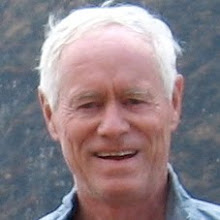
We are here, over 7 months and 8000 nautical miles from when we started - a third of the way around the world. I started the blog to let my family and friends know where I was and to provide a chronicle of the journey. Now that journey is concluded and so will my daily entries into the blog.
I plan to stay in NZ for a few months to walk some of the world famous treks and I may still post entries to the blog but they will not be daily because I will not have my computer with me all the time.
Looking back -
During this trip, we had many adventures and did many routine chores. We sailed, motored, snorkeled, surfed, fished, swam, hiked, dove and took a helicopter ride. We also cleaned the boat, cleaned the boat, cleaned the boat and did numerous repair and maintenance projects. We contracted staph infections and I broke a toe. We visited 8 island groups in 6 counties and met many fascinating people including the yachties from a dozen countries. I took almost 4000 photographs and posted 246 blog pages. We added some bottles and cans to the sea bottom (permitted by International law) and there are several dozen fish out there who now own fishing lures that used to belong to us. I also learned a lot and that is one of the main reasons I came on the trip.
Would I recommend the trip to others? In a heartbeat – so long as they are not overcome by seasickness. Would I go the rest of the way around? Under the right circumstances – yes. Would I own my own boat? I have asked myself that many times and the jury is still out. It is exciting but also a source of continuous work. The first part I like.
Just for fun, I have tried to make a list of the statistics as follows:
Item Number
Total distance traveled, approx. >7000 nautical miles
One-third of the way around the world
Total days traveled 231
Pictures taken, approx. >3000
Countries visited 6
French Polynesia, Cook Is., AM Samoa, W. Samoa, Tonga, Fiji
Island groups visited 8
Marquises, Tuomotus, Societies, Am. Samoa, W. Samoa, Tonga, Fiji
Islands visited 32
Hiva Oa, Fatu Hiva, Tahuata, Nuku Hiva, Ua Pou, Manihi, Rangiroa, Tahiti, Mo’orea, Huahini, Ra’iatea, Taha’a, Bora Bora, Rarotonga, Suwarrow, Tutuila, Upolu, Niuatoputapu, Vanua Levu, Namenalala, Makogai, Ovalau, Viti Levu, Yanuka, Mbengga, Likuri, Malololailai, Beachcomber, Namotu, Navadra, Naviti, Waya
Surf spots 13
(It is against the surfing code to divulge the exact locations)
Fish caught 20
Yellow-fin tuna, Dorado, Wahoo, Grouper, Sp. Mackerel, Bonito
Lures lost 15
Waterfall hikes 5
Fatu Hiva, Tahiti, Ra’iatea, Upolu, Labasa
Boat cleanings >40
Boat repairs & maintenance, # parts >30
Spinnaker, cars, scuppers, jib pole, furling line, exhaust flap, anchor, rudder post, main halyard, cooling line, prop shaft, hatches, zinc, dinghy, outboard, windlass, alternator, prop nut, traveler, baggie wrinkles, boom bolt, lights, gas solenoid, reefing, engine maintenance, water maker maintenance. Not fixed – generator.
Thursday, October 25, 2007

Wednesday, October 24, 2007
Day 230 Arriving at our ultimate destination
We measured the distance yet to go and decided if we motored with full sail, we might make Opua before the customs, immigration and quarantine closed for the day at 1800. Throughout the day, the wind varied from none to 10 to 15 knots and from the south to the southwest. Sometimes we were surfing along at over 9 knots and at other times we were pushing against the wind at less than 4. By the time we tied up to the quarantine dock it was 1815 and we had missed the opportunity to check in. This meant that we would have to stay on the boat until tomorrow and our dreams of a steak dinner and a beer were replaced by rice, spam and water – not an adequate substitute.
Tuesday, October 23, 2007
Day 229 A bit of wind
Our position @ 0700 is S32º17/E171º38 and we continue under motor power. The large swells are still coming from the southeast at a 20 second interval. Looking out at the sea is like looking at a landscape of gently rolling blue hills of the same size and spacing.
By 0915 the wind picked up enough so we could make 6 knots under full sail and jib. It seems suddenly quiet without the whine of the diesel. The sky is mostly clear and the sun takes some of the chill out of the air but if we sit directly in the wind, it is obvious that we are moving toward colder climes. By 1100 the wind died again and we again added motor power to the sail’s effort in an attempt to get enough speed to complete the journey tomorrow.
A few birds have followed us for days. One is a black-brown bobby doing its acrobatics with the waves. The other may be some sort of tern. It is black on the bottom with white splotches on top, which may be the markings of an immature bird. It is smaller than the bobby and less sleek but also makes spectacular swoops and turns to stay just over the wave tops without ever flapping its wings. The most awesome bird sighting was an albatross that showed up three days ago and can be seen periodically about a quarter mile away. It also almost never flaps its wings. At one point it came close to the boat and we estimated its wingspan to be more than 6 feet - impressive. We tried to remember the rhyme of the ancient mariner but none of us could recall it.
Bluebottle jellyfish, small transparent discs with a semicircular sail, float by – a sign that we are nearing land. A pod of whales was sighted in the distance but they did not come near the boat. Sitting in the cockpit watching the huge 8 to 19 foot swells that come out of the south is reminiscent of several days on the Mexico crossing except now the waves are coming towards us rather than helping us along our way. We seem to be struggling to complete the passage with wind, wave and current against us and little Southern Star doing her best to make way against them. Fortunately, the sun shone today and it seemed warmer and the long wave pattern made the ride quite comfortable. I enjoyed the peace of the sea knowing it will not last.
By 0915 the wind picked up enough so we could make 6 knots under full sail and jib. It seems suddenly quiet without the whine of the diesel. The sky is mostly clear and the sun takes some of the chill out of the air but if we sit directly in the wind, it is obvious that we are moving toward colder climes. By 1100 the wind died again and we again added motor power to the sail’s effort in an attempt to get enough speed to complete the journey tomorrow.
A few birds have followed us for days. One is a black-brown bobby doing its acrobatics with the waves. The other may be some sort of tern. It is black on the bottom with white splotches on top, which may be the markings of an immature bird. It is smaller than the bobby and less sleek but also makes spectacular swoops and turns to stay just over the wave tops without ever flapping its wings. The most awesome bird sighting was an albatross that showed up three days ago and can be seen periodically about a quarter mile away. It also almost never flaps its wings. At one point it came close to the boat and we estimated its wingspan to be more than 6 feet - impressive. We tried to remember the rhyme of the ancient mariner but none of us could recall it.
Bluebottle jellyfish, small transparent discs with a semicircular sail, float by – a sign that we are nearing land. A pod of whales was sighted in the distance but they did not come near the boat. Sitting in the cockpit watching the huge 8 to 19 foot swells that come out of the south is reminiscent of several days on the Mexico crossing except now the waves are coming towards us rather than helping us along our way. We seem to be struggling to complete the passage with wind, wave and current against us and little Southern Star doing her best to make way against them. Fortunately, the sun shone today and it seemed warmer and the long wave pattern made the ride quite comfortable. I enjoyed the peace of the sea knowing it will not last.
Monday, October 22, 2007
Day 228 The wind is capricious
Our position @ 0700 is S30º40/E169º57. There is no appreciable wind and the sea has long 6 to 8 foot swells with almost no wind ripples on the surface. Swells like this indicate that there are storms a considerable distance away and indeed the GRIB files show gale force winds at the latitude of southern NZ. Right now that weather system is far to the south and we hope it stays there for the next 3 to 4 days. We are now 345 miles from Opua and will make port by then.
Just before midnight last night the wind died so we turned on the motor in order to make headway southwards. My bunk is right next to the engine compartment but after a day in the cold air, I sleep undisturbed.
Just before midnight last night the wind died so we turned on the motor in order to make headway southwards. My bunk is right next to the engine compartment but after a day in the cold air, I sleep undisturbed.
Sunday, October 21, 2007
Day 227 Finally a SW wind
Our position @ 0945 is S28º55/E170º05. The wind is 10 to 15 knots from the south with a 4 to 6 foot wave.
In the morning we continued to crawl along until about noon when the wind finally began to shift to the southwest. We “shook out the reef and unfurled the jib” (deployed the entire sail and jib) to take advantage of the new wind position and finally began making progress southward at about 6 knots. We are still over 400 miles from Opua so it will be several days before we make landfall but the new speed and direction make us feel better about the situation and the smaller seas are more comfortable even though the boat is heeled over at a steep angle.
In the morning we continued to crawl along until about noon when the wind finally began to shift to the southwest. We “shook out the reef and unfurled the jib” (deployed the entire sail and jib) to take advantage of the new wind position and finally began making progress southward at about 6 knots. We are still over 400 miles from Opua so it will be several days before we make landfall but the new speed and direction make us feel better about the situation and the smaller seas are more comfortable even though the boat is heeled over at a steep angle.
Saturday, October 20, 2007
Day 226 Calmer but wrong direction
Our position @ 0800 is S27º56/E170º45 with a south wind of 15 to 20 knots and 10 to 12 foot waves.
By morning, the wind was no longer blowing the tops off the waves. One of the characteristics of a gale is that the whitecaps get blown off and form streaks of foam on the sea. By morning, there were whitecaps everywhere but they were staying put.
The south wind has not allowed us to go directly south so we head southwest in order to make way. At a steep angle toward the direction of the wind, the speed drops to less than 2 knots so we turn on the engine to get more speed. There are several compromises here. Head more into the wind and get south but lose speed, or head more westward and get speed but lose some of our direction toward NZ. Use the engine to get speed but use up fuel we may need for later. There are no right answers.
By noon we are west of 170º so we tack back directly east. After 4 hours of hand steering, we are no closer to NZ but at least we can now turn southward and be aimed at it.
By evening, the wind has lessened again but the direction is still the same – S/SE. We are a bit glum about the progress we have made and are ready for a wind shift so we can get on our way. When we provisioned in Fiji, we expected a 10 to 11 day trip and we thought we would be catching fish. The waves are too big to boat a fish so we do not even have a line in the water. We have run out of fresh meat and vegetables and are down to the last two eggs. From now on it’s pasta, rice and canned foods. We won’t starve, but the fare is not up to our normal standard. At least it’s not hardtack and grog.
By morning, the wind was no longer blowing the tops off the waves. One of the characteristics of a gale is that the whitecaps get blown off and form streaks of foam on the sea. By morning, there were whitecaps everywhere but they were staying put.
The south wind has not allowed us to go directly south so we head southwest in order to make way. At a steep angle toward the direction of the wind, the speed drops to less than 2 knots so we turn on the engine to get more speed. There are several compromises here. Head more into the wind and get south but lose speed, or head more westward and get speed but lose some of our direction toward NZ. Use the engine to get speed but use up fuel we may need for later. There are no right answers.
By noon we are west of 170º so we tack back directly east. After 4 hours of hand steering, we are no closer to NZ but at least we can now turn southward and be aimed at it.
By evening, the wind has lessened again but the direction is still the same – S/SE. We are a bit glum about the progress we have made and are ready for a wind shift so we can get on our way. When we provisioned in Fiji, we expected a 10 to 11 day trip and we thought we would be catching fish. The waves are too big to boat a fish so we do not even have a line in the water. We have run out of fresh meat and vegetables and are down to the last two eggs. From now on it’s pasta, rice and canned foods. We won’t starve, but the fare is not up to our normal standard. At least it’s not hardtack and grog.
Friday, October 19, 2007
Day 225 Moderate Gale
Our position at 0800 is S26º59 X E171º38.
The Beaufort scale defines the wind speed as a force 7 or moderate gale when it reaches 28 to 33 knots. Last night the sea lost its organized pattern and became a bedlam of short wind driven waves as the approaching high-pressure system pushed the wind speed above 30 knots. The effect inside the boat is impressive and very uncomfortable, particularly in the galley. We find ourselves feeling a bit like a James Bond martini – shaken but not stirred.
We cannot deploy the jib in these winds so we sail with a double-reefed main and the staysail. In this configuration, we only proceed at about 2 knots and must head S/SW with the wind 60º off the bow. With the engine assisting, the speed goes up to 4 knots and we can head a bit more southward but the bumpiness increases markedly.
Also the weather continues to be colder so that sitting in the cockpit means long pants, fleece, foul weather gear and socks.
Conversation is limited and it is too rough for cards or dominos so everyone is either buried in a book or napping. The sound of the wind and the sea, and sometimes the engine, is the only thing heard. I think everyone is girded against the movement of the boat and hoping either the weather calms down a bit or the next 4 days pass faster than the normal 96 hours. Let’s get there already!
The Beaufort scale defines the wind speed as a force 7 or moderate gale when it reaches 28 to 33 knots. Last night the sea lost its organized pattern and became a bedlam of short wind driven waves as the approaching high-pressure system pushed the wind speed above 30 knots. The effect inside the boat is impressive and very uncomfortable, particularly in the galley. We find ourselves feeling a bit like a James Bond martini – shaken but not stirred.
We cannot deploy the jib in these winds so we sail with a double-reefed main and the staysail. In this configuration, we only proceed at about 2 knots and must head S/SW with the wind 60º off the bow. With the engine assisting, the speed goes up to 4 knots and we can head a bit more southward but the bumpiness increases markedly.
Also the weather continues to be colder so that sitting in the cockpit means long pants, fleece, foul weather gear and socks.
Conversation is limited and it is too rough for cards or dominos so everyone is either buried in a book or napping. The sound of the wind and the sea, and sometimes the engine, is the only thing heard. I think everyone is girded against the movement of the boat and hoping either the weather calms down a bit or the next 4 days pass faster than the normal 96 hours. Let’s get there already!
Subscribe to:
Posts (Atom)